
💰 Quick Context: The Fijian Dollar
Fiji uses the Fijian Dollar (FJD / FJ$). A coffee costs FJ$5–12, a restaurant meal FJ$25–80, and a hotel night FJ$200–800. Quick math: divide by 2 and subtract a bit (FJ$10 ≈ US$4.50). Resorts on Denarau and Viti Levu accept cards easily, but outer islands and local markets need cash. Withdraw enough before heading to the smaller islands.
🎧 Order Fijian Dollar Before You Fly
Have cash in hand when you land. Insured delivery, 2–5 day shipping.
Order FJD → CEI Currency Exchange🌴 Outer Islands Have No ATMs
The Yasawa Islands, Mamanuca Islands (except Denarau), Taveuni, and most outer islands have no ATMs and no card facilities outside of resorts. If your resort is all-inclusive, you may only need cash for tips and village visits. But if you are island hopping independently, withdraw all the cash you will need in Nadi or Suva before taking the boat.
Cash vs. Card: What to Expect in Fiji
Fiji has a split between resort infrastructure (cards work) and everywhere else (cash is king).
Cards work at resorts, hotels in Nadi and Suva, larger restaurants, Jack's and Tappoo duty-free shops, and tour operators. Denarau Island is fully card-friendly. Cash is needed for local restaurants, Nadi Market, Suva Municipal Market, buses (FJ$1–15), taxis outside resorts, village visits, and everything on outer islands beyond resort front desks.
Resort bubble vs. real Fiji: if you stay all-inclusive on Denarau, you may barely need cash. But venturing to markets, villages, and local eateries requires Fijian dollars. Budget FJ$100–200 per day at a resort with excursions, or FJ$200–500 per day if island hopping independently.
The Easiest Upgrade to How You Spend Abroad
A Wise account charges zero foreign transaction fees, converts at the real mid-market rate, and lets you tap to pay or pull cash worldwide. Set it up once and stop leaking money on every trip abroad.
Get the Wise Card →Free account, ~$9 card fee. Prefer cash in hand? Order local currency before you fly →
How to Get Fijian Dollars for Your Fiji Trip
Fiji runs a clear two-tier payment system. The all-inclusive resort bubble (Denarau Island, the Sheraton, Sofitel, Hilton, Mamanuca and Yasawa island resorts) is fully card-friendly: every restaurant, dive shop, spa, and bar adds tabs to a room key that settles by Visa or Mastercard. Step out of the bubble and Fiji becomes a cash economy: Nadi Market, Suva Municipal Market, the FJ$1–15 inter-town buses, kava ceremonies in village visits, taxis past resort drop-off points, and most outer-island business outside resort front desks. The Fijian dollar is also relatively easy for US travelers to handle: a manageable peg-band, ATMs at Nadi airport arrivals, and major banks that add no operator surcharge of their own. Two cheap routes for getting FJD: pre-order before takeoff or pull from a Westpac Fiji ATM after landing.
Order Fijian dollars before you fly
For pre-arrival FJD, two paths. A currency-exchange service like CEI Currency Exchange ships physical Fijian dollars to a US address with insured 2–5 day delivery, at a small spread over the bank rate. Useful for landing-day taxi cash from NAN to your Denarau resort, plus the first day's market and cafe spending. Your home bank can also order FJD (Bank of America, Chase, Wells Fargo, Citi may stock it depending on the branch); allow 5–10 business days. Fiji-specific correction: Westpac Fiji is not a Bank of America Global ATM Alliance partner. Westpac is an alliance member in Australia and New Zealand, and Bank of America's list does not extend to its Pacific island banks, so a BoA card pays its usual fees here. The genuine perk is local: Fijian banks add no operator surcharge on foreign cards. The cleanest setup for most Fiji trips: a small CEI starter envelope of FJD for the first day's cab and tip cash, plus Westpac ATM withdrawals for market and bus runs, and a Wise card for any non-resort restaurants and tour operators that take cards.
Withdraw from a Fijian bank ATM
On the ground, the cheapest source of FJD is one of the major Fijian bank ATMs. Westpac Fiji, ANZ Fiji, Bank of South Pacific (BSP) Fiji, and HFC Bank all give the actual interbank rate with no markup. None of the major banks add their own operator fee for foreign cards (a quirk of the local market). Your only cost is whatever your home bank tacks on (1–3% foreign transaction fee on most US debit cards, zero with a Wise or Charles Schwab card). Withdrawal limits run roughly FJ$500–1,000 per transaction. ATMs cluster around Nadi (along Queens Road, in the Tappoo City Mall, at NAN airport arrivals), Suva (Cumming Street, Renwick Road, Tappoo City Suva), and Denarau Island. ATM coverage thins fast on the outer Mamanuca and Yasawa islands, so withdraw enough cash on Viti Levu before island-hopping. Decline DCC every time the screen offers "charge in USD". See the Best ATMs section below for the bank-by-bank lineup. Want to know what a Westpac Fiji withdrawal will actually cost on your card? Drop it into our ATM fee calculator.
Airport counters & resort exchange windows
Three traps to walk past in Fiji. The Travelex and Kontiki Currency Exchange counters in arrivals at NAN (Nadi International) advertise rates that look reasonable but routinely run 5–10% off the interbank rate, plus per-transaction fees. The exchange windows inside Denarau resort lobbies and Mamanuca island front desks bake the markup into the displayed rate. And the standalone independent ATMs at smaller hotel arcades along Queens Road and inside some Suva convenience stores layer DCC pitches and operator fees on top. Stick to bank-branded ATMs at Westpac Fiji, ANZ Fiji, BSP Fiji, or HFC; decline DCC; and do not count on a BoA alliance waiver, because Fiji has none if you carry a BoA card. Fiji does not yet have a city-specific guide on this site, but the Best ATMs section below covers the bank lineup.
For a side-by-side comparison of every method (bank wire, travel card, pre-order, ATM, exchange counter) including USD-to-FJD timing tips, see our complete Getting Currency guide →.
Best ATMs to Use in Fiji
Fiji's ATMs are concentrated in Nadi, Suva, and a few larger towns. Most do not charge an operator fee for foreign cards, though your home bank may charge its own fee. Always choose FJD when prompted.
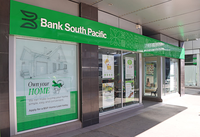
BSP (Bank South Pacific)
The largest bank in Fiji with ATMs in Nadi, Suva, Lautoka, Sigatoka, and at Nadi International Airport. Your best first stop when you arrive. BSP acquired Westpac's Fiji operations and now has the widest network.
Top Pick
ANZ Fiji
Part of the Australia and New Zealand Banking Group. ATMs in Nadi, Suva, and major towns. The international connection means smooth foreign card processing. Found at Nadi Airport and in town centers.
Recommended
Westpac Fiji
Now part of BSP but some ATMs still carry the Westpac branding. Found in Nadi and Suva. Reliable machines that handle international cards well.
Recommended
HFC Bank
A Fijian bank with ATMs in Suva and a few other locations. Smaller network than BSP or ANZ, but a useful backup if other machines are busy or down.
Recommended⚠ Watch Out for Dynamic Currency Conversion (DCC)
Some resort card terminals may offer to charge you in USD or AUD instead of FJD. Always decline and choose FJD. Choosing your home currency means the resort (not your bank) sets the exchange rate, which includes a 3–8% markup. Select "FJD" or "local currency" at every prompt.
ATMs to Avoid in Fiji
Fiji does not have the predatory tourist-trap ATMs found in Europe, but availability is the main concern.
Airport Exchange Counters
Exchange counters at Nadi International Airport offer worse rates than the BSP and ANZ ATMs in the same arrivals area. Use the ATMs first. Only use counters if ATMs are down or you need to exchange leftover foreign currency.
AvoidRelying on Outer Island ATMs
There are essentially no ATMs outside of Viti Levu (the main island), Vanua Levu (Labasa and Savusavu), and a few district towns. Do not plan to withdraw cash on the Yasawas, Mamanucas, or Taveuni.
No ATMs AvailablePaying by Card in Fiji
Card Networks
Visa and Mastercard are accepted at resorts, hotels, larger restaurants, and Jack's/Tappoo duty-free shops in Nadi and Suva. American Express is accepted at some larger resorts and duty-free stores but not widely. Discover has very limited acceptance.
Contactless & Mobile Payments
Some modern terminals at resorts on Denarau and in Nadi town support tap-to-pay, but it is not universal. Apple Pay and Google Pay may work at a few resort terminals but do not depend on them. M-PAiSA and MyCash are Fiji's mobile money platforms, but they require a Fijian phone number and are not practical for tourists.
Where Cards May Not Work
Local restaurants and cafes outside resort areas are cash-only. All buses (local and express) require cash (FJ$1–15 depending on distance). Taxis are cash-only unless arranged through a resort. Nadi Market, Suva Municipal Market, and all handicraft markets require cash. Village visits: any purchases, donations, or sevusevu (kava ceremony gift) are cash or in-kind. Outer islands: beyond your resort's front desk, assume cash-only on the Yasawas, Mamanucas, and Taveuni.
Tipping in Fiji
Tipping Guide
Tipping is not traditionally part of Fijian culture. Fiji's communal culture expresses generosity differently. Overt tipping can cause awkwardness, especially in villages. At resorts, many have a shared staff tip jar or envelope system. FJ$10–20 per day into the communal pool is generous. Ask the front desk about their system. At local restaurants, no tip is expected. At resort or upscale restaurants, rounding up or 5–10% is appreciated. Tour guides and boat captains: FJ$10–20 per person for a day trip. Dive masters: FJ$10–20 after a dive trip. Taxi drivers: no tip expected. Village visits: do not tip individuals. Bring kava instead (see below).
Island Hopping & Village Visits: Money Etiquette
Village Visit Etiquette (Sevusevu)
For city-specific tips, see our Nadi money guide covering airport area ATMs, Denarau Island payments, and island transfer costs.
Bring kava, not cash. When visiting a Fijian village, it is customary to present a sevusevu (gift of dried kava root, called yaqona) to the village chief. This is not optional. Buy a bundle at Nadi Market for FJ$20–40. This matters far more than any cash tip. Do not tip individuals in villages. Handing cash to individuals can be seen as patronizing and disrupts the communal culture. Contribute to the village fund through your tour operator instead.
Dress modestly: cover your shoulders and knees. Remove hats and sunglasses when entering a village. Buying handicrafts (masi bark cloth, woven baskets, tanoa bowls) directly from village artisans is the best way to support the community. Cash only.
Island Hopping Cash Strategy
Yasawa Islands (Awesome Adventures route, Tavewa, Nanuya): no ATMs on any island. Most backpacker lodges are prepaid, but bring FJ$200–500 for drinks, activities, and village visits. Mamanuca Islands (Castaway, Mana, Malolo): resorts accept cards at the front desk, but bars and activity desks may prefer cash. Taveuni (the Garden Island): limited ATM access in Waiyevo. Bring cash from the mainland. Dive operators may add card surcharges.
Coral Coast (Viti Levu): better infrastructure with ATMs in Sigatoka. Resorts accept cards. Local shops along Queens Highway are cash. Waterproof your cash: you will be on boats. A waterproof pouch or dry bag for cash and cards is essential for island transfers.
Other Practical Tips
Fiji has a 15% VAT and a 25% Service Turnover Tax (STT) on hotel accommodations. These are usually included in quoted resort prices but can surprise at smaller places that quote before tax. Duty-free shopping: Jack's of Fiji and Tappoo in Nadi accept cards. Prices are in FJD. Bula! You will hear this everywhere. It means hello, welcome, and cheers.
Money Safety in Fiji
Staying Safe
Fiji is generally safe for tourists. Violent crime against visitors is rare. The main risk is petty theft in downtown Suva and parts of Nadi at night. Use taxis rather than walking after dark in Suva. Resort areas are very safe. Denarau, the Coral Coast, and outer island resorts have essentially no crime risk.
Use ATMs during the day at BSP or ANZ branches in Nadi or Suva. The ATMs at Nadi Airport are safe at any hour. Waterproof your valuables on boat transfers between islands; splashing is common. Keep cash and cards in a sealed waterproof pouch. ATM options are very limited outside Viti Levu, so carrying a backup card on a different network is important insurance.

Skip the Foreign Transaction Fees
The Wise card converts your money at the real mid-market exchange rate. No markups, no surprises. Spend Fijian dollars like a local.
Get the Wise Card →Frequently Asked Questions
Are there ATMs on Fiji's outer islands?
No. The Yasawa Islands, Mamanuca Islands, and most outer islands have zero ATMs. Withdraw all the Fijian dollars you need in Nadi or Suva before taking the boat. Resorts may accept cards at the front desk, but everything else is cash.
What is sevusevu and do I need to do it?
Sevusevu is the customary gift of dried kava root (yaqona) presented to the village chief when visiting a Fijian village. It is not optional. Buy a bundle at Nadi Market for FJ$20–40. This cultural gesture matters far more than cash.
Should I tip in Fiji?
Tipping is not part of traditional Fijian culture. Many resorts have a communal staff tip jar where FJ$10–20 per day is generous. Do not tip individuals in villages. At restaurants outside resorts, no tip is expected.
How much cash should I bring for the Yasawa Islands?
FJ$200–500 for a typical Yasawa backpacker trip (most accommodation is prepaid). This covers drinks, snorkeling gear rental, village visit kava gifts, and small purchases. There are no ATMs on any Yasawa island.
Do Fiji resorts accept credit cards?
Most mid-range and luxury resorts on Denarau, the Mamanucas, and the Coral Coast accept Visa and Mastercard at the front desk. Some may add a card surcharge for activities. Budget lodges on the Yasawas are more likely to be prepaid or cash-only.
Is Fiji expensive?
Mid-range. A local restaurant meal costs FJ$15–30 ($7–14), a beer FJ$7–12 ($3–6), and budget accommodation FJ$50–150 ($23–70). Resort prices are significantly higher. The Yasawa backpacker route is one of the most affordable island-hopping experiences in the Pacific.
Quick Comparison
| Method | Cost | Convenience | Best For |
|---|---|---|---|
| No-FX-fee card | Best (no fees, mid-market rate) | ★★★★☆ | Resorts, hotels, duty-free shops |
| Fijian bank ATMs (BSP, ANZ) | Low (no operator fee, fair rate) | ★★★★☆ | Cash for markets, buses, outer islands, village visits |
| Airport exchange counters | Medium (3–5% markup) | ★★★☆☆ | Only if ATMs are unavailable |
| Outer island ATMs | N/A (they don't exist) | ☆☆☆☆☆ | Not an option. Withdraw on the mainland |
Fiji Quick Facts
| Currency | Fijian Dollar (FJD / FJ$). Roughly 2.2 per USD |
| Cash vs. Card | Cards at resorts. Cash for everything else. Outer islands are cash-only |
| Best ATMs | BSP (largest network), ANZ, Westpac/BSP, HFC Bank. All in Nadi and Suva |
| Outer Islands | No ATMs on Yasawas, Mamanucas, or Taveuni. Withdraw on the mainland |
| Card Acceptance | Good at resorts and Nadi/Suva shops. Limited everywhere else |
| Tipping | Not traditional. Resort tip jars common. No individual tips in villages |
| Village Visits | Bring kava root (FJ$20–40 at Nadi Market) as sevusevu gift, not cash |
| Best Strategy | Card for resorts. ATM cash in Nadi for outer islands, markets, and village gifts |
Fiji City Guides
Neighborhood-level money guides for Fiji's top destinations. Where to find ATMs, which areas need cash, how to pay for transport, and more.
Fiji money toolkit
Deep-dive guides for specific banks, airports, and traveler nationalities in Fiji. Each one builds on this overview with card-by-card fee math, exact ATM locations, or terminal-by-terminal directions.